Emergency Plumbing Help for Your Knoxville Home
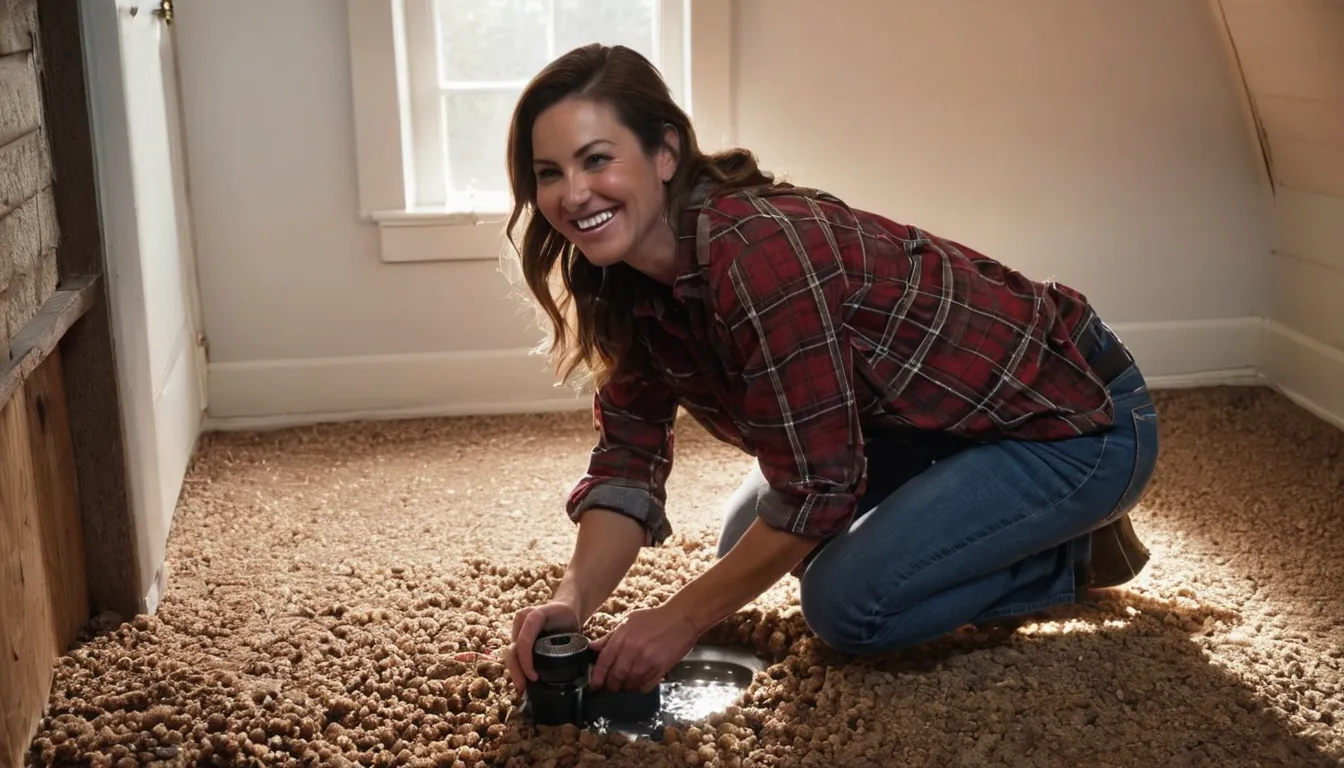
Shut the water off, catch what you can, then get a local plumbing provider on the job. Faucetleak Plumbing connects you with independent providers who handle emergencies, clogged drains and sewer line repair.
- Safe first steps you can take yourself
- Independent local providers in our network
- A written quote before work
- No obligation to hire
Water Where It Should Not Be
A plumbing emergency often starts small. A drip under the sink turns into a puddle, or the toilet gurgles every time the washer drains. Left alone, it spreads.
The first job is yours. Find the main shutoff valve and turn it clockwise until it stops. In many homes it sits near the water heater, in the crawl space or where the water line comes through the wall. If you cannot find it or it will not turn, the curb valve at the meter is the backup, though some need a meter key.
With the water off, pull rugs and boxes out of the wet area, open a faucet on the bottom floor to drain the lines, and take photos. Those few minutes keep water out of floors, framing and drywall, which is damage that lowers what a house is worth.
Past that point, hand it off. Cutting into pipes, clearing a main sewer line or working on a gas water heater is work for a licensed plumber. Faucetleak Plumbing is a referral service that connects you with independent local providers who do that work.
If water is still spreading, Request a callback to check which providers are available.
How It Works
A referral service with a homeowner's view
Faucetleak Plumbing does not send out its own plumbers. We are a referral service. When you request an estimate or call, we pass your details to an independent plumbing provider in our network who serves your part of the Knoxville area. That provider talks with you, looks at the problem and gives you a price. You decide whether to hire them.
This site is for people who like to know what is going on in their own house. Plenty of homeowners can plunge a toilet, reset a water heater breaker or swap a cracked supply line. Fewer want to open a wall or rent a sewer camera. The pages here help you figure out which side of that line a job falls on.
Why a proper repair protects your home
A cheap patch can cost more later. A slow leak behind a shower wall soaks the subfloor and invites mold. A drain line that keeps clogging may have a sag or a root problem that grows each year. When it is time to sell, inspectors find these things, and buyers lower their offers to match.
A repair done right, with a written invoice, becomes part of the house's record. Keep those papers in one folder. They show the next owner that problems were handled by a licensed provider and not hidden.
Extra care for older houses
Older homes come with their own surprises. Galvanized steel pipes rust from the inside and slowly close up. Cast iron drain lines crack and build up scale. Clay sewer pipes let roots in at the joints. Many houses also carry decades of past repairs, from mixed pipe materials to fittings that were never meant to be joined.
When you talk with a provider about an older home, mention its age and any repairs you know about. Ask what they notice beyond the leak in front of them. A good provider can tell you what can wait and what should be handled soon, so you can plan the work and the budget.
Homes Across the Knoxville area
Providers in our network work across Knoxville and the Knoxville area. That covers a wide mix of homes, from older mill-era houses sitting on crawl spaces to newer subdivisions built on slabs. Each kind of house has its own weak spots.
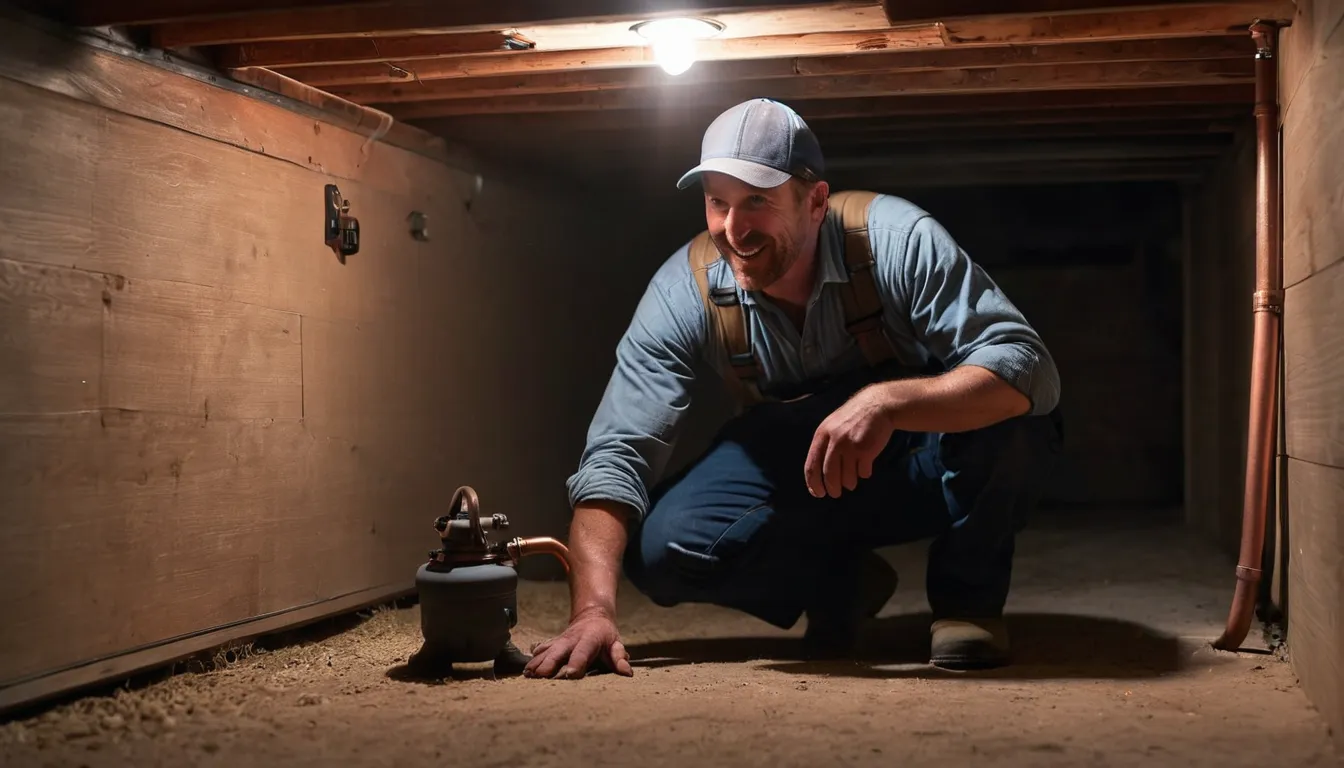
Crawl-space homes let you see a lot. Grab a flashlight and look for wet soil, dripping joints or insulation sagging with water. Slab homes hide their pipes in concrete, so a leak may show up only as a warm spot on the floor, a meter that keeps moving with every tap closed, or a water bill that jumps for no clear reason.
The weather here adds stress too. Summer thunderstorms dump heavy rain that can overload yard drains and push water back toward the sewer line. Remnants of tropical storms can do the same for days at a time. In winter, an ice storm can knock out power and leave pipes in an unheated crawl space or an outside wall at risk of freezing.
Brick and vinyl houses both have spots where hose bibs and supply lines pass through exterior walls. Check those before the first hard freeze and wrap any pipe you can reach.
Wherever you live in the area, the process is the same. Tell us what is happening and a local provider can follow up with you.
Plumbing Tips for Local Homeowners
Find your shutoffs before you need them
Walk the house on a quiet afternoon and find the main water valve, the valve on the water heater and the small stops under each sink and toilet. Turn each one a little to make sure it moves. Tie a tag on the main so anyone in the house can find it in a hurry.
Know your stop point
Plunging a toilet, clearing a sink trap and tightening a loose supply nut are fair game for most people. Stop when the fix means cutting pipe, opening a wall, touching a gas line or snaking a main line from the cleanout. Those jobs go wrong in ways that cost real money.
Keep grease and wipes out of the drains
Cooking grease cools and sticks inside pipes. So-called flushable wipes do not break down the way toilet paper does. Older cast iron and clay lines catch both. Pour grease into a can, toss wipes in the trash, and use a strainer in the tub.
Give the water heater a little attention
Look at the base of the tank every few months. Rust, a damp floor or popping sounds are signs it is wearing out. If the relief valve on the side is dripping, have a provider look at it. Water heaters on upper floors or in closets deserve a drain pan.
Get the house ready for a hard freeze
Ice storms are not common here, but they do happen. Before one hits, disconnect garden hoses, close crawl-space vents, and let a thin stream run from faucets on outside walls. If the power goes out for a long time, shut off the main and drain the lines.
Treat storm season as drain season
Heavy summer rain and the tail ends of tropical storms put a load on yard drains and sewer lines. Keep gutters and downspouts clear and pointed away from the house. If a floor drain or basement toilet backs up during a storm, stop running water and get the main line checked.
Look closely before you buy or sell
A sewer camera inspection is worth asking about on any older house you are thinking of buying. On the selling side, fixing known leaks and slow drains before listing can keep an inspection report short and an offer steady.
Keep a simple plumbing file
Save invoices, photos and notes about every repair. Write down the year the water heater went in and what kind of pipe the house has. That file helps the next provider work faster and shows a buyer the house has been cared for.
Ready for Help?
Tell us what is going on with your plumbing. Use the estimate form to describe the problem, and a local provider in our network can reach out with next steps and a written quote. There is no obligation to hire anyone, and you can ask all the questions you want first.
If water is running and you need help sooner, Request a callback to check provider availability.
Why Choose Faucetleak Plumbing?
Shut the Water
Close the main or fixture valve, drain the lines and move what you can out of the way.
Tell Us What Happened
Request an estimate online or call, and describe the leak and where it is.
Talk With a Provider
A local provider contacts you, asks questions and plans a visit.
Approve the Written Quote
Review the price and the plan, then decide whether the provider should go ahead with the repair.
Need help in Knoxville?
Water where it should not be? Request an estimate online, or Request a callback to check which local providers are available.
No obligationPlumbing Questions Homeowners Ask
What should I do first when a pipe bursts?
Turn off the main water valve right away. If outlets or appliances are near the water, shut off their breaker only if you can reach the panel from a dry spot. Open a faucet on the bottom floor to drain the lines, move your belongings and take photos. Then request help from a local plumbing provider.
Can I find an after-hours plumber near me?
Many people search for an after-hours plumber when trouble starts late in the evening. Hours vary by provider, and Faucetleak Plumbing cannot promise a set response time. Request a callback to check provider availability, or request an estimate online and a provider can follow up.
How much does an emergency plumber cost?
It depends on the job. Across the U.S., a basic emergency visit often runs $150 to $500, and bigger work such as a burst pipe inside a wall or sewer line repair can cost much more. Ask the provider for a written quote before any work starts.
Should I pour a chemical drain cleaner down a clogged drain?
It is usually wise to skip it. Harsh chemicals can eat at older pipes, especially galvanized steel and cast iron, and they rarely clear a main line clog. Try a plunger or a hand auger first. A clog that keeps returning may point to a deeper blocked pipe.
Does homeowners insurance cover a burst pipe?
Some policies may cover sudden damage, like a pipe that bursts. Slow leaks and wear are often treated differently, so check your policy or ask your agent. Providers can often help document the damage for a claim.
Plumbing Services
Providers in our network handle two main kinds of calls. Emergency Plumbing covers burst pipes, major leaks, failed water heaters and anything else that puts water where it does not belong. Drain Cleaning Help covers slow sinks, backed-up tubs and main line clogs, including emergency drain clearing and sewer line repair. Pick the one that fits your problem below to see what to expect and what it may cost.
Get in touch
Water where it should not be? Request an estimate online, or Request a callback to check which local providers are available.
No obligation